
When businesses start looking more closely at their coffee offering, one question almost always comes up.
What level of coffee quality should we actually be serving?
Coffee quality influences almost every part of your programme. It affects flavour, of course, but it also plays a role in your pricing, the type of equipment you use, how much staff training is required, and ultimately the kind of customer experience you deliver.
Over the years, the businesses we work with regularly ask us where they should sit on the spectrum of coffee quality when choosing their beans. Should they prioritise cost efficiency? Aim for speciality-grade coffee? Or find something in between that balances flavour, consistency, and practicality?
In this article, we’ll break down what coffee quality actually means, the different levels available, and how to decide what makes the most sense for your business.
What Plays Into Coffee Quality
When people talk about “coffee quality”, they often think purely about flavour. While flavour is certainly a big part of it, quality is actually influenced by several different factors throughout the supply chain and how the coffee is prepared.
Origin
Where coffee is grown influences its flavour, acidity, and body due to factors like altitude, climate, and soil. Different regions naturally produce different flavour profiles.
Roast
The roast level determines how much of the bean’s natural characteristics come through in the final cup. Lighter roasts highlight origin flavours, while darker roasts emphasise deeper, more developed notes.
Certifications
Certifications such as Fairtrade, Rainforest Alliance, or organic indicate certain ethical or environmental standards in production. While they don’t always affect flavour directly, they can influence sourcing practices and brand perception.
Machine Type
The type of coffee machine you use affects how coffee is extracted and the level of control over brewing variables. Some coffees perform better on traditional espresso machines, while others are designed for consistent results in automatic systems.
The type of machine used also greatly impacts the 'perceived quality' of your coffee, where a barista crafted espresso presents as higher quality than a vending machine coffee.
Skill Level
The quality of the final drink depends heavily on how well the coffee is prepared. Higher skill levels allow for greater precision in extraction, while environments where training and skille level is more difficult to maintain may require more forgiving coffee beans.
Why Your Choice of Quality Matters
Choosing the right level of coffee quality for your business to serve shouldn't just be based on your personal drinking preferences.
The coffee you choose to serve will have a real impact on your costs, your customer experience, and the way your coffee programme operates day to day.
Higher Quality Comes at a Price
Coffee beans are sold by the kilo, and prices can vary significantly depending on origin, grading, and sourcing practices. While higher quality coffee costs more, the difference per cup is often smaller than many businesses initially expect.
Quality Has a Direct Impact on Taste
Different grades and styles of coffee produce very different flavour profiles in the cup. Choosing the right coffee means selecting a taste profile that aligns with what your customers actually enjoy drinking.
Some Coffees Are More Consistent and Forgiving
Darker roasts tend to be more forgiving and consistent in busy hospitality environments, while lighter roasts require greater precision, training, and equipment control. Medium roasts often provide the best balance of flavour, consistency, and ease of preparation.
Sustainability Has a Strong Impact on Brand Image
Higher quality coffees are often more traceable and associated with stronger sustainability credentials, which can increase their cost. However, these attributes can strengthen your brand story and give customers another reason to choose your coffee.
Recommendation From a Wholesale Roaster
After working with hundreds of hospitality businesses, one thing becomes clear: the “best” coffee quality is the one that fits your operation.
Rather than aiming for the highest grade available, it’s usually better to focus on a coffee that aligns with your customers, your workflow, and your pricing model.
Choose the Right Coffee for Your Business
For most cafés, restaurants, hotels, and hospitality venues, the ideal solution sits somewhere in the middle between commercial grade and ultimate quality.
A well-sourced, medium roast blend often provides the best balance of flavour, consistency, and value. It allows you to deliver a great coffee experience without making the operation overly complicated.
When choosing your coffee, consider:
- Who your customers are and what they expect
- The type of equipment you’re using
- The level of staff training available
- Your pricing structure and margins
- The role coffee plays in your wider offering
Working closely with a wholesale roaster can make this process much easier. A good roaster will help you taste different coffees, explain the differences in quality levels, and guide you towards something that works for your business.
We often recommend a high quality, specialty grade medium roasted blend for customers that are seeking a good quality coffee that is consistent across staff and machine types, along with providing great value for money.
High Quality Coffee At a Great Value For Your Business
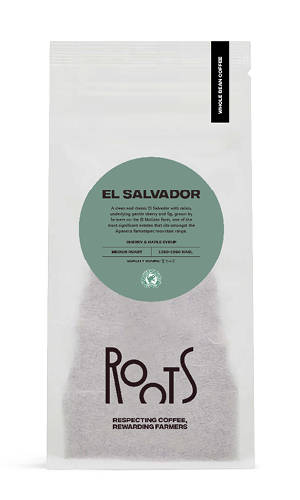
Looking for a delicious coffee at a great price? discover our Roots range of coffees.
-
Medium roast blends and single origins
-
Fully traceable
-
Fantastic value for money
-
Organic, FairTrade & Rainforest Alliance certifications