

In the world of functional hot beverages, 2025 was all about Matcha, Mushroom Blends, adaptogens and wellness teas.
Matcha firmly cemented itself as a mainstream alternative to coffee, driven not only by demand for sustained energy, antioxidant content and a smoother caffeine release, but also by a wave of social media hype. Its vibrant green colour translated perfectly online, fuelling visibility, desirability and a healthy dose of FOMO among younger drinkers.
It moved beyond niche speciality cafés and into high-street chains, with hot matcha lattes, flavoured variations and plant-milk pairings becoming everyday menu fixtures.
Alongside it, mushroom-infused coffee blends featuring lion’s mane, reishi and cordyceps gained traction, positioned around cognitive focus, immune support and calmer energy. These were no longer confined to health food shops; cafés began offering mushroom add-ins and branded functional blends.
Adaptogenic lattes and herbal wellness teas also expanded, incorporating ingredients such as ashwagandha and rhodiola, marketed around stress balance and mood support.
Collectively, these drinks signalled a broader shift: consumers were no longer choosing hot beverages purely for taste or caffeine, but for perceived functional benefit and daily performance.
So, in 2026, which of these functional finds are here to stay, and are there any other new trends emerging that hospitality operators need to know about?
Functional Drinks on the Horizon for 2026
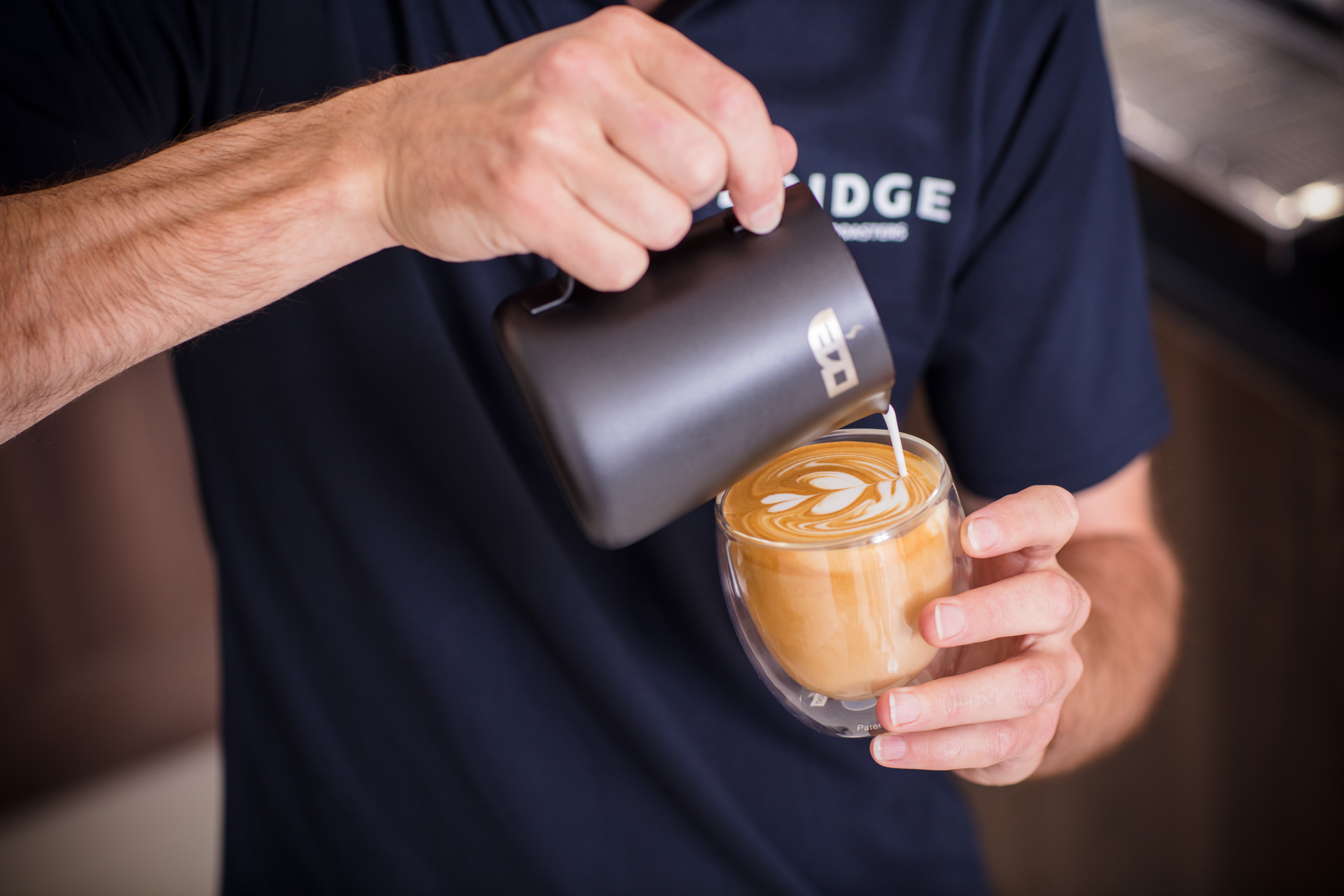
Prebiotic Coffee & Gut-Support Hot Beverages
Gut health remains a dominant wellness theme, and hot beverages are an easy delivery vehicle. Prebiotic fibres such as inulin can be incorporated into coffee or latte blends without dramatically altering flavour. While probiotics are more commonly found in chilled formats, prebiotic positioning in hot drinks is technically simpler and commercially scalable.
Consumers increasingly understand the gut–brain connection, which gives cafés an opportunity to position certain drinks as supporting both digestion and mood. Expect subtle messaging around balance and daily wellbeing rather than overt medical language.
Hojicha
If matcha was the headline act of 2025, hojicha could be its calmer sibling in 2026. Hojicha is a roasted Japanese green tea with a toasty, caramelised flavour and significantly lower caffeine content than matcha. That lower stimulant profile positions it well for afternoon and evening consumption, especially as consumers become more mindful of sleep and cortisol regulation.
Served as a hot latte with dairy or oat milk, hojicha offers warmth and depth without bitterness. It also taps into the same Japanese tea heritage as matcha, but with a more mature, less hype-driven aesthetic.
Yerba Mate & Guayusa Hot Brews
Yerba mate and guayusa are South American leaves traditionally brewed as stimulating herbal drinks. Both contain caffeine, but they are often positioned as providing smoother, more sustained energy compared to coffee. As consumers continue to seek alternatives to standard espresso-based routines, these ingredients offer credible heritage and a functional story rooted in traditional use.
In UK cafés, they are likely to appear as brewed hot infusions, mate lattes with honey and spices, or blended into hybrid tea-coffee style drinks. They sit neatly between the worlds of tea and energy drinks, which makes them commercially interesting.
Adaptogenic Cacao
Hot chocolate has always been indulgent, but in 2026 it may lean further into functional territory. Adaptogenic cacao blends featuring ashwagandha, maca or reishi are already circulating in wellness spaces.
Adaptogenic refers to substances, usually herbs or mushrooms, that are believed to help the body adapt to physical, mental or environmental stress.
The term comes from “adaptogen,” a category of botanicals traditionally used in herbal medicine systems such as Ayurveda and Traditional Chinese Medicine. Common examples include ashwagandha, rhodiola, holy basil (tulsi) and reishi mushroom.
Cacao itself carries associations with mood enhancement due to its theobromine content and links to serotonin pathways, which strengthens the emotional wellbeing narrative.
Served as a darker, less sugary hot chocolate with plant milk, these drinks allow operators to offer something that feels comforting yet purposeful. It is a natural evolution for cafés already offering premium hot chocolate menus.
Lion’s Mane Focus Blends
Lion’s mane has already been present in mushroom coffee blends, but in 2026 it is likely to step forward as the hero ingredient rather than part of a mixed functional stack. Lion’s mane is a functional mushroom associated with cognitive support and mental clarity, and it carries a more performance-oriented narrative than reishi, which leans more towards relaxation. As consumers move from general “wellness” to targeted benefits such as focus and productivity, single-ingredient positioning becomes more compelling.
Expect to see lion’s mane served in hot oat milk lattes, blended into speciality coffee drinks, or paired with cacao for a softer, less bitter delivery. Cafés may begin labelling these as “focus lattes” rather than simply mushroom drinks, shifting the language from ingredient-led to benefit-led.
Functional Matcha Blends
Matcha itself is not disappearing. Instead, it is fragmenting into more targeted versions. Ceremonial-grade matcha for purity-led consumers, collagen-infused matcha for beauty positioning, and protein-enriched matcha for fitness-focused audiences are all plausible evolutions. The hype phase may cool slightly, but the ingredient now has enough mainstream penetration to sustain innovation.
In 2026, matcha is less about novelty and more about refinement and functional layering.
Turning Trends Into Profitable Menu Strategy
Functional drink trends evolve quickly, but sustainable growth comes from applying them with commercial discipline. At Bridge Coffee Roasters, we continuously monitor emerging ingredients, shifting consumer behaviour and menu performance data so our partners can act with confidence rather than guesswork.
Whether it is refining a matcha range, introducing a focus-led mushroom latte or developing a limited-edition wellness special, we translate trend insight into practical, margin-aware menu solutions.
From recipe development and pricing strategy to staff training and operational efficiency, we ensure innovation strengthens your offer without adding unnecessary complexity. Relevance attracts attention; a well-executed strategy converts that attention into long-term profitability.