If you're responsible for coffee across a catering contract, choosing the right coffee equipment suppliers is one of the most consequential decisions you'll make. The machines you install shape drink quality, staff workflows, maintenance costs, and the overall perception of your catering offer for years to come.
This guide covers every stage of that supplier selection process. From understanding what catering environments actually need, to evaluating support infrastructure, negotiating finance terms, and standardising equipment across multiple sites.
By the time you're finished, you'll have a clear framework for finding a supplier that fits your operation rather than the other way around.
- Why Your Choice of Supplier Shapes Your Catering Contract
A catering contract typically runs for three to five years. During that time, your coffee machines will be used by multiple staff members with varying skill levels, serviced under warranty or maintenance agreements, and expected to deliver a consistent product day after day.
The supplier you choose determines how smoothly all of that works. A supplier with strong technical support and a local engineering team resolves breakdowns faster than one relying on outsourced repair networks. A supplier who understands catering environments (rather than just selling machines) will recommend equipment matched to your actual throughput and staffing model.
Getting this wrong is costly. Machines that don't suit the environment create bottlenecks during busy service periods. Inadequate maintenance cover leads to extended downtime. And poor training support means your team never gets the most out of the equipment you've invested in.
What Types of Coffee Equipment Do Catering Operations Typically Need?
Catering environments vary enormously. A corporate head office dining room has different requirements from a hospital canteen or a university food court.
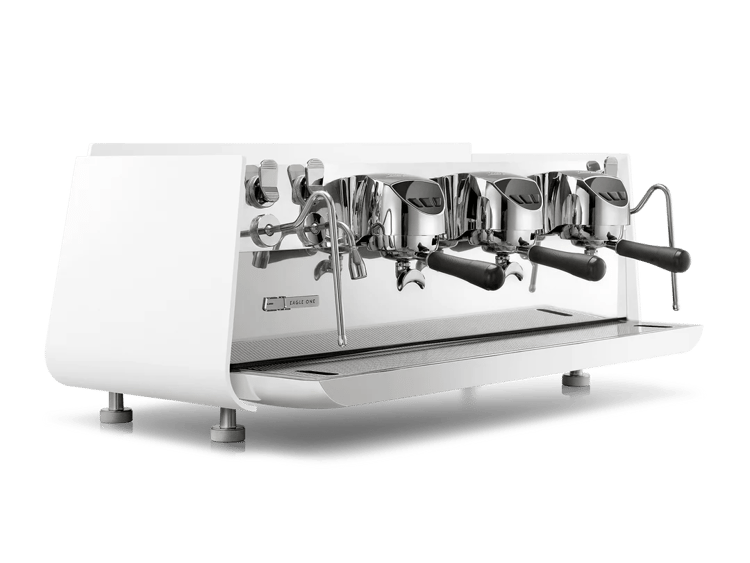
Traditional Espresso Machines for Staff-Operated Outlets
Traditional espresso machines give trained baristas full control over extraction, milk texturing, and drink presentation. They're the right choice for outlets where coffee quality is a clear differentiator and you have staff with the time and skill to operate them properly.
The trade-off is operator dependency. High staff turnover in catering means you'll need a training pipeline to keep quality consistent. If your contract doesn't include dedicated barista roles, a traditional machine may sit underused or produce inconsistent drinks.
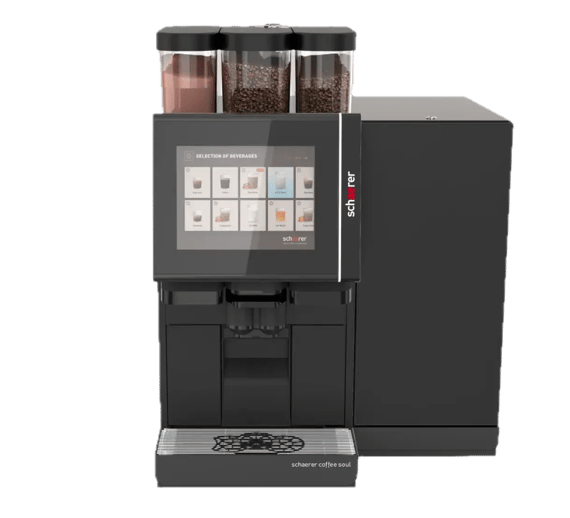
Bean To Cup Machines for Self-Service Environments
Bean To Cup machines automate grinding, brewing, and milk frothing at the touch of a button. They're well suited to staff break rooms, self-service areas, and locations where you need to serve a decent cup without a dedicated operator on hand.
Daily cleaning of the integrated milk system is non-negotiable. Neglect it and you'll face hygiene problems, blocked lines, and drinks that taste off. Make sure your supplier includes clear cleaning protocols and schedules as part of the handover.
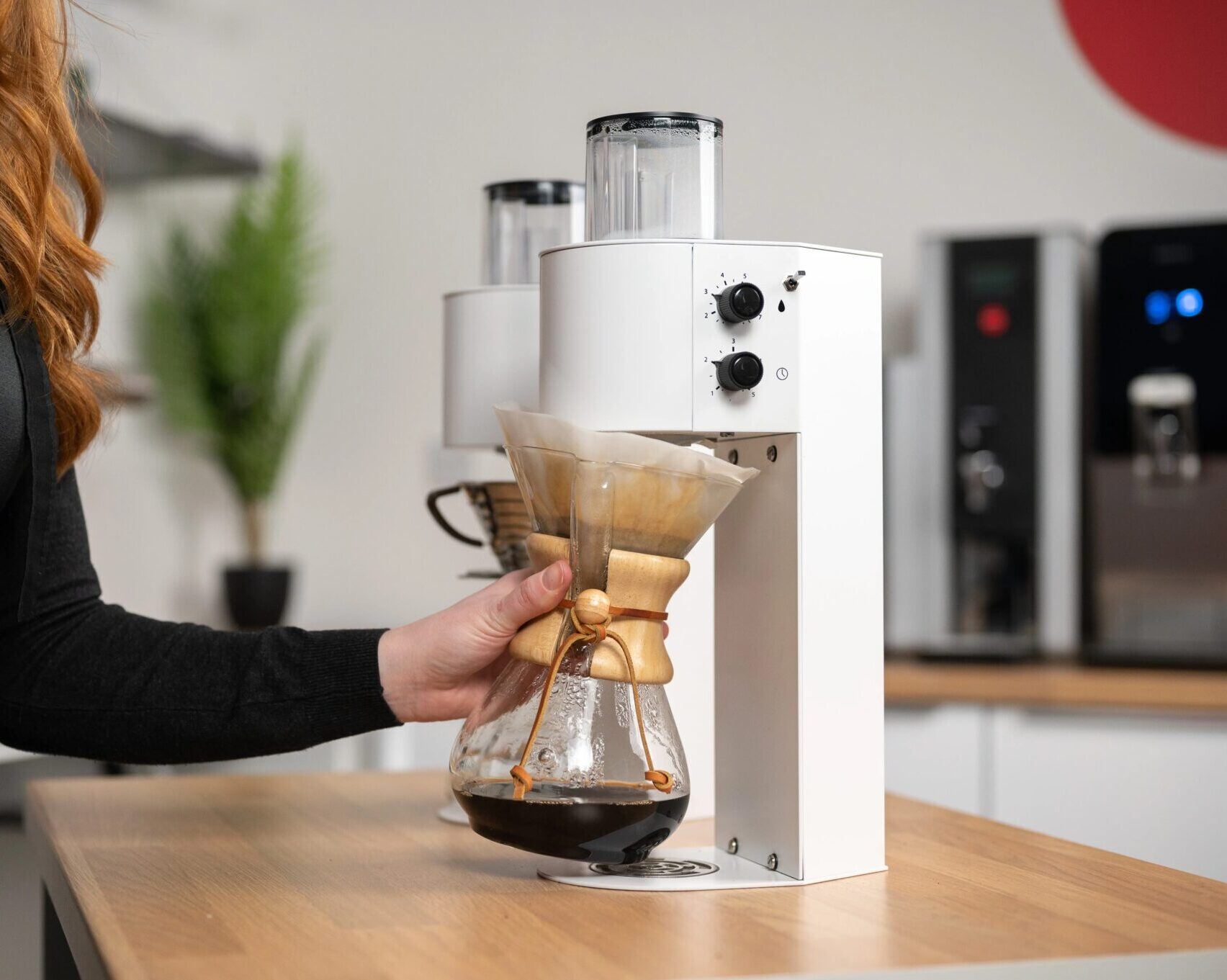
Filter and Batch Brewers for High-Volume Black Coffee
Conference break services, breakfast buffets, and large canteens often need several litres of black coffee ready at once. Filter and batch brewers handle this efficiently, producing large volumes quickly and storing them in thermal servers that keep the coffee at the right temperature.
These machines are low maintenance and easy to operate, making them a reliable workhorse for any catering operation. They complement espresso-based equipment by handling simpler requests that would otherwise slow down the main coffee station.
The Importance of Understanding Coffee Volumes
Supplier recommendations only work if they're based on accurate volume projections. Overestimate and you'll invest in machines that sit idle. Underestimate and you'll face service bottlenecks during peak periods.
Focus on Peak Hour Demand, Not Daily Averages
In catering, coffee demand is heavily concentrated. A university café might serve 60% of its daily drinks between 8:30am and 10:00am. Your equipment needs to handle that peak window without queuing or quality drops.
Count the number of people passing through each service point during the busiest hour. Estimate that 50 to 70% of them will want a hot drink. Those two numbers give you a realistic starting point for matching machine capacity to actual demand.
Account for Seasonal and Event-Driven Variations
Conference centres see dramatic volume swings depending on events. Hospital canteens operate at steadier volumes but with longer daily service windows. Factor in these patterns when specifying equipment, and consider whether some sites need additional temporary capacity for peak events.
What to Evaluate When Comparing Coffee Equipment Suppliers
Price lists and brochures only tell part of the story. The supplier's ability to support your catering operation over the full contract term matters far more than the initial equipment cost.
Do They Understand Catering Environments?
A supplier that primarily works with high-street cafés may not understand the specific pressures of catering. Ask about their experience with workplace contracts, institutional sites, and multi-location operations. Suppliers who've worked in these settings, from hotel coffee programmes to university canteens, will anticipate challenges that a café-focused company might miss entirely.
Look for evidence that they've designed coffee solutions for spaces like yours. Case studies, reference clients, and site-specific recommendations all indicate relevant experience.
What Installation and Commissioning Support Do They Offer?
Commercial coffee machines require professional plumbing, electrical connections, and calibration. Your supplier should manage this process end to end, including a site readiness check before installation day. Ask whether they can handle multiple installations on a tight timeline if you're rolling out equipment across several locations simultaneously.
Bridge Coffee Roasters includes a full installation service covering site readiness checks, machine setup, calibration, and initial barista training on the day. This integrated approach means fewer handoffs between contractors and a smoother go-live for your team.
How Strong Is Their Training and Ongoing Support?
Your machines are only as good as the people operating them. Initial training at installation is a starting point, but catering staff change frequently. Your supplier should offer refresher training and regular account management visits to keep standards consistent over time.
Ask how their training is structured. Is it hands-on with real equipment, or a slideshow presentation? Do they offer accredited courses (like SCA barista qualifications) for staff who want to develop deeper skills? The answers reveal how seriously a supplier takes the people side of coffee quality.
What Are Their Service Response Times?
A machine breakdown during a busy Monday morning lunch service is a disaster for your catering reputation. Your supplier's ability to respond quickly with qualified engineers and available spare parts directly affects how much downtime you'll experience.
Ask whether their service engineers are employed in-house or outsourced. In-house teams typically respond faster and bring more consistent technical knowledge. Confirm their target response times for both warranty and out-of-warranty calls, and check whether those commitments are written into the contract.
Choosing the Right Coffee Equipment Supplier for Your Catering Contract
Selecting a coffee equipment supplier for catering isn't a one-off purchasing decision. You're choosing a partner who'll influence drink quality, operational efficiency, staff capability, and guest satisfaction across every site in your contract for years.
Start by mapping your actual requirements at each service point. Get realistic about volumes, staffing models, and the level of training support you'll need. Evaluate suppliers on their catering experience, engineering infrastructure, and willingness to support you beyond the initial installation.
Build a clear specification, negotiate terms that reflect your real needs, and invest in the ongoing relationship through regular reviews and quality tracking. The right supplier makes your coffee programme something your clients and their staff look forward to, rather than something you're constantly troubleshooting.
How does Bridge Coffee Roasters support catering operations?
Bridge Coffee Roasters delivers integrated coffee programmes that combine equipment supply, professional installation, staff training, and dedicated account management.
Our UK-wide engineering team supports service contracts across multiple sites, and they supply freshly roasted beans alongside equipment for a single-source solution.