Coffee drinkers are more aware than ever of their personal impact on the environment. They notice the single-use cup, ask where the beans come from, and increasingly expect the places where they eat, work and stay to share those values.
For businesses, the pressure comes from two directions. There is a growing need and pressure from consumers to reduce environmental impact, combined with the constant need to reduce running costs as far as possible. Fortunately, the two usually point the same way: a machine that wastes less energy, water and milk also costs less to run.
Coffee machines are inherently energy-consuming pieces of equipment. Most keep water hot for hours at a time, and many run all day whether they are busy or not. But some machines are much better than others, and across multiple sites those differences add up quickly.
In this article, we'll explore why some machines are more sustainable than others, what to look for when choosing one, and which machines are currently doing things right.
Where Does the Impact Come From?
Energy. Boilers are held at temperature for hours, often while the machine sits idle. Low-volume machines typically run on 13 amp (around 2.9 kW); high-volume machines can need 32 amp or more (7 kW plus).
Water. Brewing, steaming and cleaning cycles all use it, and untreated hard water causes limescale that makes heating elements work harder.
Waste. Unused milk, remade drinks, spent grounds and single-use cups often outweigh the machine itself.
Lifespan. A machine replaced early carries the footprint of manufacturing, transport and disposal all over again.
The coffee. How beans are grown and traded sits within your supply chain footprint, which matters if you report on Scope 3 or supplier ethics.
How Do Coffee Machines become More Sustainable?
Sizing comes first. An oversized machine heats water you never use; an undersized one strains, wears faster and gets replaced early. Base the choice on each site's real drink volumes and peaks, then check for:
- Energy-saving modes and schedules, so the machine drops to standby or switches off outside trading hours.
- Efficient boiler design, such as Sanremo's SEEM technology on the F18.
- The right electrical supply, since a machine on an adequate supply holds temperature more steadily and typically runs more efficiently.
- Water filtration fitted at installation to prevent limescale.
- Telemetry showing drink volumes and cleaning compliance, so you can spot over-capacity sites and early faults.
- Repairability, including expected lifespan and UK parts availability.
- Milk systems that draw only what each drink needs and keep it chilled.
Check the supplier too: where the coffee comes from, its certifications, and whether they can supply data for your sustainability reporting.
What Are the Most Sustainable Coffee Machines For Businesses in 2026?
From our current machine lineup, these four pieces of equipment show what great looks like right now, each tackling a different source of waste.
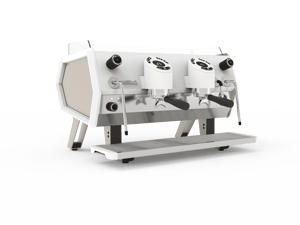
Sanremo D8: Energy-Saving Single Boiler Design
The Sanremo D8 uses one insulated boiler rather than the multiple boilers found in many commercial machines, so there is less water to keep hot all day. It also offers far better temperature stability than a traditional heat-exchange machine. The D8 Pro adds an eco mode and weekly scheduler, so the machine can power down outside trading hours automatically.
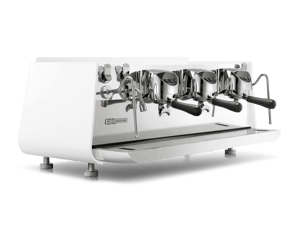 Victoria Arduino Eagle One: Heat Recovery
The Victoria Arduino Eagle One pairs small, insulated boilers that heat only the water needed for each extraction with a patented Temperature Energy Recovery System (TERS). TERS uses hot discharged water to preheat the cold water coming in, which Victoria Arduino says saves 8% of the machine's total consumption. Its life cycle assessment puts the Eagle One's environmental impact 23% below comparable machines.
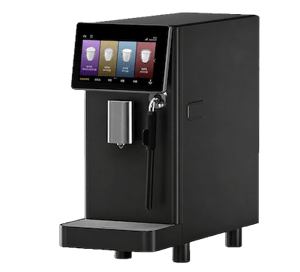
Aero 200: The Exact Milk Quantity Each Drink Needs
Milk poured away from oversized steaming jugs is one of the biggest sources of waste behind a coffee bar. The Aero is a standalone automatic milk machine that sits alongside a traditional espresso machine and dispenses hot or cold milk foam for each drink, so staff are not guessing quantities. A built-in steam wand remains available for anything that needs a personal touch.
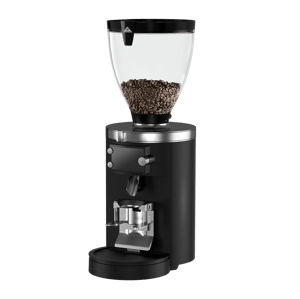
Mahlkönig E80S GbW: Less Coffee Lost to Dialling In
On a standard grinder, every change to grind size changes the dose, so baristas throw away shots while they adjust. The Mahlkönig E80S GbW weighs coffee in real time as it grinds, and constantly makes small adjustments to grind size on behalf of your barsta. That means fewer wasted shots, no wasteful dial-in process, less coffee in the bin, and more consistent drinks from any member of staff.
How to Make your Current Machine More Sustainable
Keeping a working machine running well usually beats replacing it.
- Use standby and schedules so machines are not held at full temperature overnight or at weekends. Check warm-up times with your supplier first.
- Clean daily and service preventatively. Scale and worn seals make machines work harder and shorten their life.
- Test and filter your water if it has never been done.
- Retrain staff on milk, dosing and cleaning, which often cuts more waste than any equipment change.
- Trim the menu of rarely ordered drinks that add prep and waste.
- Plan for end of life. Refurbishment, redeployment to a quieter site or proper recycling all beat landfill.
Looking to Reduce your Waste?
Here are a few key areas you can look towards, where small changes add up to substantial differences.
Milk. Pour only what each drink needs, use correctly sized jugs and keep milk chilled at the machine.
Coffee. Grind-by-weight grinders and fixed recipes stop over-dosing and stale shots.
Remakes. Clear menus, consistent recipes and training cut drinks that get thrown away.
Cups. Encourage reusables, offer crockery for anyone staying on site, and put takeaway cups in the right recycling stream.
Spent grounds. Send them to food waste, composting or a grounds recycling scheme instead of general waste.
Water. Set rinse and cleaning cycles to what the machine needs and fix leaks promptly.
Data. Compare drink counts by site against deliveries to spot over-ordering and over-sized machines.
Questions to Ask your Coffee Supplier
- How have you sized this machine against our drink volumes at each site?
- What energy-saving features does it have, and how should our teams use them?
- Will you test and treat our water at installation?
- What is the expected lifespan, and how available are spare parts?
- Can we see drink volumes and cleaning compliance across our sites?
- Where does your coffee come from, and which certifications does it carry?
- What happens to the machine at the end of its life or contract?
Let's Talk
Choosing the right machine is the biggest sustainability decision you'll make, and it's one we help businesses with every day. From site surveys that size each machine to its real workload, to coffee we've been sourcing ethically since 1991, sustainability is built into how we work.
If you'd like a second opinion on your current setup, get in touch!