

When choosing a commercial coffee machine, the way a machine heats and textures milk should have a great impact on the machine you'll eventually buy.
Most drinks served in cafés, restaurants, and hospitality settings are milk-based, so how that milk is prepared will directly affect quality, consistency, speed of service, and staffing requirements.
Broadly when using fresh milk, you’re choosing between manual milk steaming and automatic milk systems. Both can produce excellent results, but they suit very different types of operations. The right choice depends on how your business runs day to day.
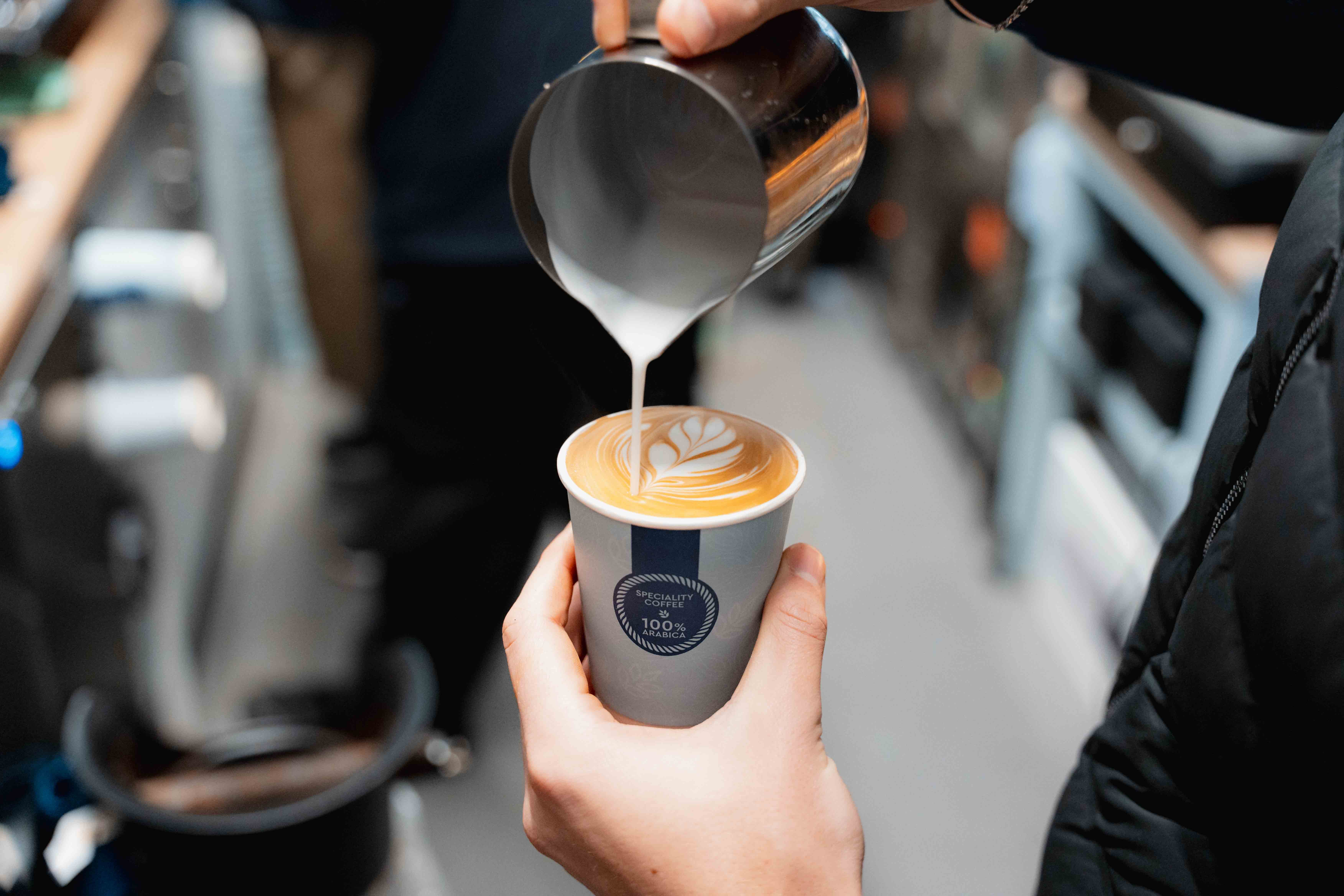
Manual Milk Steaming
Manually steaming milk is the more labour intensive method of the two options, requiring a skilled member of staff to hold and properly texture a jug of milk for every drink. Whilst the skill of manually steaming milk can take time, it provides the customer with the most premium experience, offering a truly barista-crafted coffee.
Espresso Machines
All espresso machines are designed to steam milk, with a steam wand and a pressurised boiler that goes well above 100 degrees. Most commercial espresso machines have two steam wands, meaning a team of two baristas can steam milk for two drinks simultaneously.
Affordable espresso machines may have made cutbacks in steam pressure and temperature stability, whereas modern and premium options are well suited to high steam demands and are able to steam a full jug of milk in 10 seconds, often less.
Bean to Cup Machines
Many bean to cup machines, such as the Schaerer Soul 2 Step, are now coming to market offering the user to steam manually. This allows for a wide range of milk types to be used, and for a final barista-crafted moment creating a beautiful latte art pattern that most bean to cup machines can not perform by themselves.
Automatic Milk Steaming
Automatic milk systems remove much of the manual input required when preparing milk-based drinks. Instead of relying on a trained barista, the machine heats and textures milk to a pre-set standard, delivering consistent results with minimal effort.
Bean to Cup Machines
Bean to cup machines are the most common platform for automatic milk systems. They are designed to simplify the entire drink-making process, from grinding and extraction through to milk preparation.
Straight into Cup - The most automated option available. Milk is drawn from a fridge, heated, and dispensed directly into the cup before or after the coffee is poured.
Steamed in a Jug "Two Step" - Two-step systems automatically steam milk inside a jug, which is then poured into the coffee by hand. This creates a balance between automation and a more traditional coffee presentation.
Schaerer 2 Step – Control and Convenience
The Schaerer 2 Step offers the best of both worlds BY combining traditional espresso extraction with automated milk steaming.
This means you still get the theatre and quality of a freshly brewed espresso, while removing the inconsistency and time pressure of manual milk texturing.
Many Espresso Machines Now Offer Automatic Steaming
Modern espresso machine manufacturers are embracing the benefits of automation, offering automatic steam wand options for their machines. Two great examples are the Victoria Arduino Eagle One and the Sanremo D8 Pro.
These automatic milk systems allow for perfect milk texture and temperature while still using a steam wand, meaning operators can achieve consistent results with less training.
Dedicated Milk Steaming Machines
Standalone milk machines, such as the Marco MilkPal, are designed to handle milk preparation independently from the coffee machine. Rather than relying on a steam wand or integrated system, these units sit alongside your setup and deliver hot milk, textured milk, or foam at the touch of a button.
The key advantage is productivity. Because milk preparation is separated from the espresso machine, multiple drinks can be built at once without creating a bottleneck. This allows baristas to focus on espresso while the machine handles milk, significantly increasing output during busy periods.
Marco MilkPal – Consistent Milk, Zero Guesswork
The Marco MilkPal is a game-changer for any operation struggling with milk consistency or staff training.
By automating the steaming process, it delivers perfectly textured milk every time, eliminating one of the most common weak points in coffee service.
Manual vs Automatic Milk Steaming
Whether you choose manual or automatic milk steaming depends on your priorities around quality, speed, and staffing.
Manual steaming offers greater control and the potential for higher-quality drinks, but it relies on skilled staff and can slow service during busy periods.
Automatic systems prioritise consistency and efficiency, making it easier to deliver reliable drinks at speed with minimal training.
We typically recommend manual steaming for speciality cafés and coffee-led businesses where presentation, drink quality, and barista craft are central to the experience.
Automatic systems are better suited to restaurants, hotels, workplaces, and high-volume environments where consistency, ease of use, and operational efficiency are more important.
Discover the Best Coffee Equipment for Your Business With...
